Warp, the fast-growing AI-powered terminal for developers, has taken a major step toward openness by releasing its client-side codebase as open source. The project is now available under both the AGPL and MIT licenses, allowing developers to inspect, modify, and contribute to much of the terminal’s core functionality.
At the center of this move is Warp’s shift toward what it calls an “agent-first” workflow. This new approach is powered by the Oz platform, a system backed by OpenAI as a sponsor. Instead of developers manually handling every step of software development, Oz introduces AI agents that take on responsibilities such as writing code, planning tasks, running tests, and even conducting code reviews.
In this model, human contributors play a more supervisory role. Developers focus on defining clear specifications, guiding the direction of projects, and verifying the outputs generated by the agents. This represents a shift from traditional coding workflows toward a more collaborative human–AI development process.
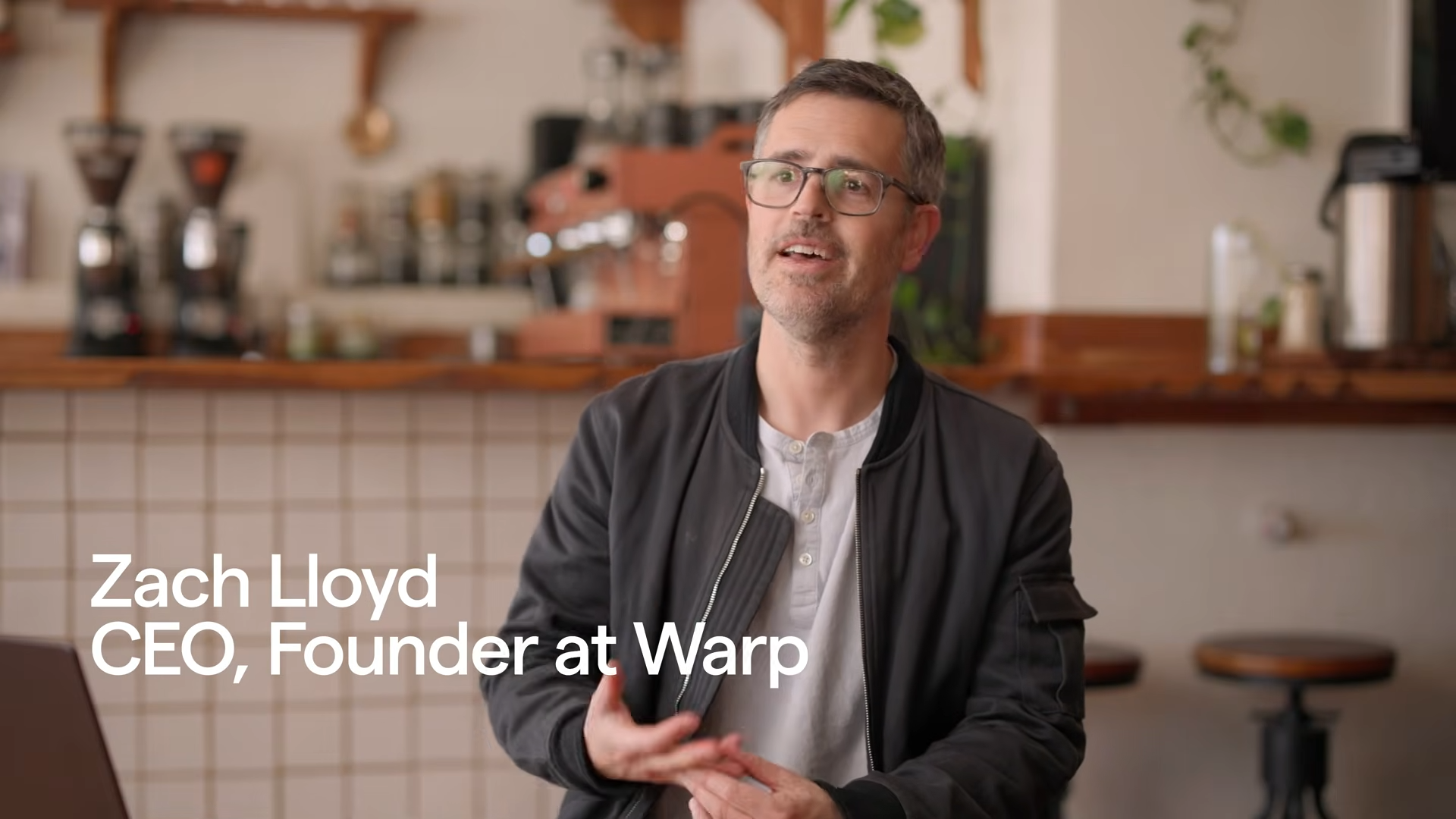
The open-source release has already attracted significant attention. The repository has surpassed 27,000 stars, signaling strong interest from the developer community. Technically, the project is heavily built in Rust, with about 98% of the codebase written in the language highlighting Warp’s emphasis on performance and reliability.
Prominent voices in the developer ecosystem have reacted quickly. Theo Browne described the move as “huge,” reflecting enthusiasm around both the open-sourcing decision and the agent-driven development model. Meanwhile, Mitchell Hashimoto suggested potentially integrating his own terminal library into the project, hinting at future collaboration opportunities.
However, not everything is fully open. Some observers have pointed out that while the client-side code is now public, key parts of Warp’s backend infrastructure remain closed-source. This has sparked discussion about how “open” the platform truly is and whether deeper transparency will follow.
Overall, Warp’s decision positions it at the forefront of a new wave of AI-native developer tools where coding becomes less about typing every line and more about orchestrating intelligent systems to build, test, and refine software.
With a focus on technical utility and market fitness, Yukesh Rajbanshi covers the high-velocity world of new SaaS releases. He moves past the marketing hype to analyze the underlying architecture and "problem-market fit" of the latest tools. For Yukesh, every new SaaS is a piece of a larger global puzzle; his work ensures that SaaStru readers know which tools are built to last and which are just noise.